

Spine Services
World Spine Day Special: Understanding Common Spine Disorders and When to See a Specialist
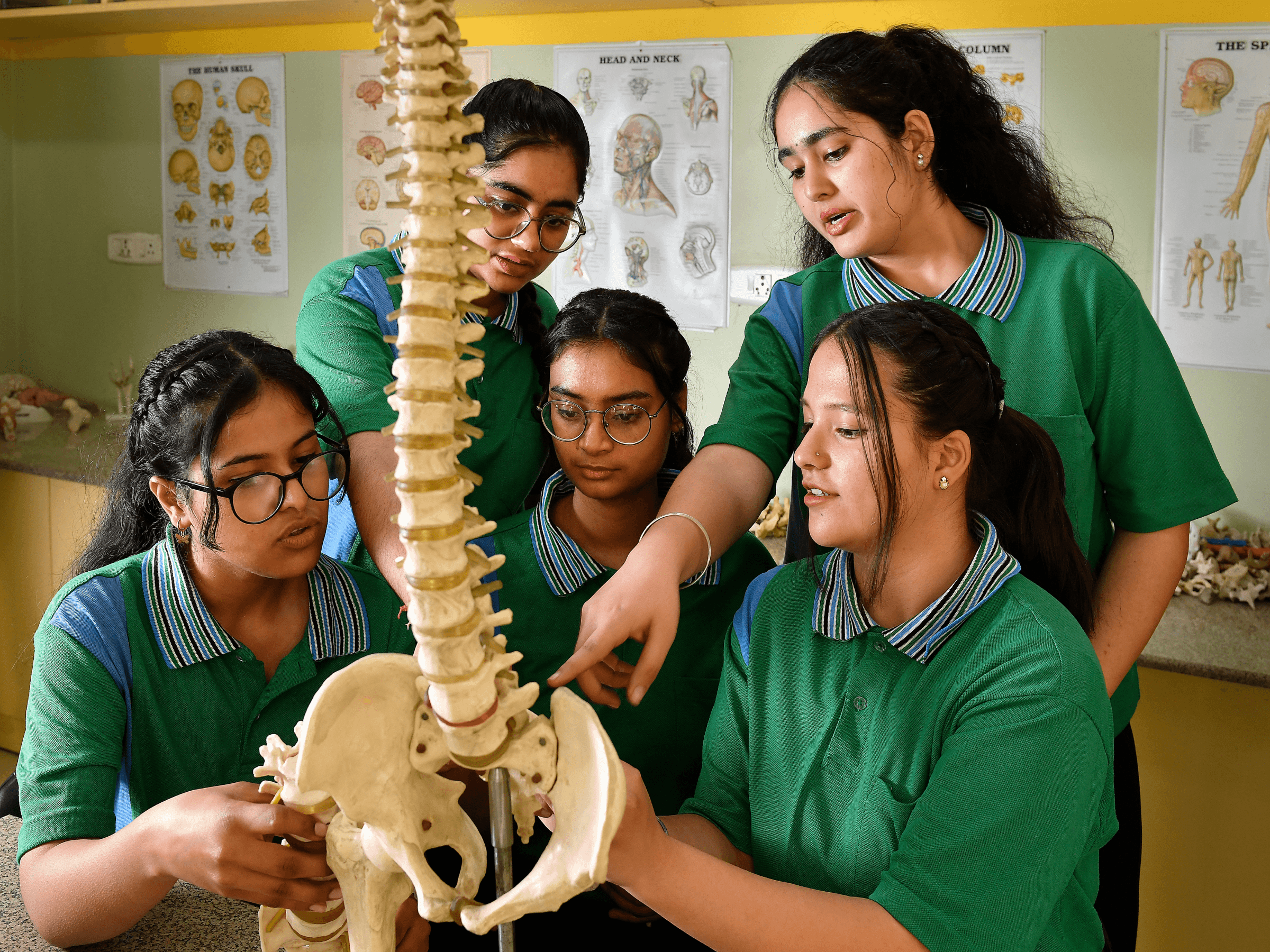
Our spine plays an important role in supporting the body, maintaining posture and allowing us to perform everyday activities. From standing and walking to bending and lifting objects, many of our movements depend on the strength and flexibility of the spine.
However, the spine is also a complex structure made up of bones, discs, muscles, ligaments and nerves. Changes or injuries affecting any of these structures may lead to pain, stiffness or difficulties with movement.
While occasional back or neck pain is common, persistent symptoms may sometimes indicate an underlying spinal condition that requires medical attention.
This World Spine Day, understanding the different conditions that affect the spine, recognising their warning signs and learning about available treatment options can help individuals make informed decisions about their spinal health.
It is also important to understand that not every spine-related condition requires surgery. Depending on the diagnosis and severity of symptoms, treatment may involve medication, physiotherapy, lifestyle modifications or surgical intervention when necessary.
Understanding the Structure and Functions of the Spine
The spine, also known as the vertebral column, is an important part of the body's skeletal system. It provides structural support, protects the spinal cord and allows movement in different directions.
The spine consists of individual bones called vertebrae, which are connected by joints, ligaments and muscles.
Between most of these vertebrae are intervertebral discs. These discs help absorb forces and allow the spine to move while maintaining appropriate spacing between the bones.
The spinal cord runs through a protective channel within the spine. Nerves branch out from the spinal cord and travel to different parts of the body.
This explains why certain spinal conditions may cause symptoms beyond the back or neck. For example, a problem affecting nerves in the neck may lead to pain or tingling in the arms, while nerve irritation in the lower back may cause symptoms extending into the legs.
The spine is generally divided into three major regions:
1. Cervical Spine: The upper portion of the spine, located in the neck, which supports head movement.
2. Thoracic Spine: The middle portion of the spine, located in the upper and middle back, which connects with the ribs and supports the chest.
3. Lumbar Spine: The lower portion of the spine, which supports a significant part of the body's weight and allows movements such as bending and lifting.
Different spinal conditions may affect one or more of these regions.
However, not every episode of back or neck pain indicates a serious spinal disorder. Identifying the underlying cause generally requires an assessment of symptoms, medical history and physical function.
Common Spine Disorders and Their Symptoms
Several conditions can affect the spine, ranging from muscle injuries and age-related changes to disorders involving spinal discs, nerves and vertebrae.
Although some conditions may cause similar symptoms, their underlying causes and treatment approaches can differ.
Muscle Strain and Ligament Sprain
Muscle strains and ligament sprains are common causes of back and neck discomfort.
A muscle strain occurs when a muscle or tendon is overstretched or injured, while a ligament sprain involves damage to the tissues connecting bones.
These injuries may occur due to sudden movements, lifting heavy objects, twisting or performing activities that place unusual stress on the body.
Common symptoms include:
- Localised back or neck pain
- Muscle stiffness
- Discomfort during certain movements
- Muscle spasms
- Reduced flexibility
Many cases improve with appropriate care and a gradual return to normal activities.
However, persistent pain or symptoms accompanied by weakness, fever or other concerning changes may require medical evaluation.
Herniated Disc and Sciatica
Intervertebral discs act as cushions between the vertebrae.
A herniated disc occurs when part of the softer material within a disc protrudes through its outer layer. In some cases, this may irritate or compress a nearby spinal nerve.
The condition is sometimes referred to as a slipped disc, although the term does not mean that the entire disc has moved out of place.
Depending on the location and severity, symptoms may include:
- Back or neck pain
- Pain radiating into the arms or legs
- Tingling or numbness
- Muscle weakness
- Discomfort during certain movements
When irritation of nerves in the lower back causes pain extending through the buttock and down the leg, the symptoms may be described as sciatica.
However, sciatica is a symptom pattern rather than a separate diagnosis, and it can occur due to different causes of nerve irritation.
Not every herniated disc produces symptoms. Similarly, the presence of disc changes on an imaging report does not automatically indicate the need for treatment.
Many individuals may improve with appropriate non-surgical care, although progressive neurological symptoms require prompt medical attention.
Cervical Spondylosis
Cervical spondylosis refers to age-related changes affecting the bones, discs and joints of the neck.
As individuals grow older, these structures may undergo gradual changes that can affect flexibility and movement.
Some people with cervical spondylosis may not experience noticeable symptoms.
Others may develop:
- Neck pain or stiffness
- Discomfort extending towards the shoulders
- Reduced range of neck movement
- Pain that becomes more noticeable during certain activities
When these changes affect nearby nerves or the spinal cord, additional symptoms may develop.
These can include weakness, numbness, difficulty with hand movements or problems maintaining balance while walking.
Such symptoms require medical assessment, as they may indicate nerve or spinal cord involvement.
Treatment depends on the severity of symptoms and the structures affected.
Lumbar Spinal Stenosis
Spinal stenosis refers to the narrowing of spaces within the spine.
When this narrowing occurs in the lower back, it is known as lumbar spinal stenosis.
In some individuals, the narrowed spaces may place pressure on spinal nerves and contribute to symptoms affecting the lower back and legs.
Common symptoms may include:
- Lower back discomfort
- Pain extending into one or both legs
- Tingling or numbness
- Weakness in the legs
- Difficulty walking or standing for long periods
Some individuals experience symptoms that become worse while standing or walking and improve when sitting or leaning forward.
However, the presence of spinal narrowing does not always cause symptoms.
Treatment may involve physiotherapy, medications, activity modifications or surgical intervention in selected cases.
The appropriate approach depends on the individual's symptoms, neurological findings and response to treatment.
Scoliosis
Scoliosis is a condition in which the spine develops an abnormal sideways curvature, often accompanied by rotation of the vertebrae.
It may develop during childhood or adolescence, although adults can also experience scoliosis.
Depending on the severity of the curvature, signs may include:
- Uneven shoulders
- Differences in hip height
- One shoulder blade appearing more prominent
- Changes in posture
- Uneven appearance of clothing when worn
Many cases of scoliosis have no identifiable cause.
Some individuals may not require active treatment beyond regular monitoring, while others may benefit from bracing or surgical treatment depending on their age, the severity of the curve and its progression.
Not every spinal curvature causes pain or requires surgery.
Spondylolisthesis
Spondylolisthesis occurs when one vertebra slips forward or backward relative to the vertebra below it.
The condition may develop due to age-related changes, stress injuries or other structural factors.
Some individuals may not experience noticeable symptoms.
Others may develop:
- Lower back pain
- Stiffness
- Pain extending into the legs
- Tingling or numbness
- Difficulty with certain movements
Treatment depends on the degree of displacement, symptoms, spinal stability and whether nearby nerves are affected.
Non-surgical treatment may be suitable for some individuals, while surgery may be considered in selected cases.
Vertebral Fractures
Vertebral fractures occur when one or more bones of the spine break.
These fractures may result from significant injuries, such as falls or road accidents.
They may also occur following relatively minor injuries in individuals with osteoporosis, a condition that reduces bone strength.
Symptoms may include:
- Sudden back pain
- Pain that worsens during certain movements
- Loss of height over time
- Changes in spinal posture
- Difficulty performing everyday activities
However, some vertebral fractures may cause few or no noticeable symptoms.
New or severe back pain following an injury, particularly in individuals with osteoporosis, may require prompt medical evaluation.
Other Conditions Affecting the Spine
Apart from these common disorders, spinal symptoms may also develop due to inflammatory conditions, infections or tumours.
These conditions are less common but may require specialised medical care.
Persistent pain accompanied by fever, unexplained weight loss, neurological changes or other unusual symptoms may require further investigation.
When Should You See a Spine Specialist?
Back and neck pain are common complaints, and many episodes improve with suitable care.
However, certain symptoms may indicate the need for medical evaluation.
Understanding when to seek routine medical advice and when immediate attention is required is an important part of spinal health.
Persistent or Recurring Pain
Individuals experiencing back or neck pain that does not improve after a few weeks, frequently returns or begins affecting everyday activities may benefit from medical evaluation.
This is particularly relevant when pain interferes with:
- Walking or standing
- Sleeping
- Working
- Bending or lifting
- Performing daily activities
A doctor can assess the symptoms and determine whether further investigations or specialist consultation may be useful.
Symptoms That Require Prompt Medical Assessment
Certain symptoms may indicate nerve involvement or another underlying medical condition.
These include:
- New or worsening weakness in the arms or legs
- Persistent numbness or tingling
- Significant changes in walking ability
- Back pain accompanied by fever
- Severe or rapidly worsening pain
- Unexplained weight loss associated with persistent back pain
These symptoms should not be attributed to ordinary muscle strain without appropriate assessment.
Warning Signs That Require Emergency Medical Attention
Some spinal conditions can affect the spinal cord or nerve structures responsible for movement, sensation and bladder or bowel function.
Emergency medical attention is necessary when symptoms include:
- New difficulty passing urine or loss of bladder control
- New loss of bowel control
- Numbness around the genitals, buttocks or inner thighs
- Severe or progressively worsening weakness in both legs
- Sudden difficulty walking or loss of coordination associated with neurological symptoms
- Significant back or neck pain following a serious accident
These symptoms may indicate serious nerve compression or spinal injury.
One such condition is cauda equina syndrome, in which nerves at the lower end of the spinal canal become compressed.
Delayed treatment may increase the risk of lasting neurological complications.
Individuals experiencing these warning signs should seek emergency medical care rather than attempting to manage symptoms through exercises, massage or home remedies.
How Are Spine Disorders Diagnosed?
When an individual seeks medical attention for spinal symptoms, the doctor generally begins by reviewing their medical history and conducting a physical examination.
The evaluation may include questions about:
- When the symptoms began
- Location and severity of pain
- Whether pain extends into the arms or legs
- Presence of tingling, numbness or weakness
- Activities that worsen or relieve symptoms
- Previous injuries or fractures
- Existing medical conditions
- Medications and previous treatments
The physical examination may involve assessing posture, spinal movement, muscle strength, sensation, reflexes and walking ability.
These findings help doctors determine whether further investigations are necessary.
X-Ray Examination
X-rays may help doctors evaluate the bones of the spine, their alignment and certain structural abnormalities.
They may also be useful when fractures or other bone-related changes are suspected.
However, X-rays do not provide the same level of detail about spinal discs, nerves and other soft tissues as MRI scans.
Magnetic Resonance Imaging (MRI)
MRI provides detailed images of the spinal discs, nerves, spinal cord and surrounding soft tissues.
It may be recommended when doctors suspect nerve compression, spinal cord involvement or certain other conditions requiring further investigation.
However, MRI is not necessary for every individual experiencing back or neck pain.
Other Investigations
Depending on the suspected condition, additional investigations may include CT scans, blood tests or other diagnostic procedures.
For example, blood tests may help investigate possible inflammatory or infectious conditions.
The choice of investigations depends on the medical history, clinical findings and suspected underlying cause.
Why an MRI Is Not Always Necessary for Back Pain
Although MRI scans are useful diagnostic tools, they are not always required during the initial evaluation of uncomplicated back pain.
Many episodes of lower back pain improve with appropriate non-surgical management without the need for immediate imaging.
It is also common for imaging examinations to identify age-related changes in the spine, even among individuals who do not experience pain.
For example, disc degeneration or minor disc bulges may be visible on a scan without necessarily causing symptoms.
Therefore, doctors interpret imaging findings alongside the patient's symptoms and physical examination rather than relying on the scan alone.
MRI may be considered when:
- Symptoms suggest significant nerve or spinal cord involvement
- Neurological symptoms are worsening
- A serious underlying condition is suspected
- Symptoms persist despite appropriate treatment and imaging may influence further management
- Surgery or another procedure is being considered
However, when emergency warning signs are present, appropriate investigations should not be delayed.
The objective is to select tests that provide useful information for diagnosis and treatment rather than performing every available investigation.
Treatment Options for Common Spine Disorders
Treatment for spinal conditions depends on the diagnosis, severity of symptoms, neurological findings, overall health and the effect on everyday activities.
Not every spinal disorder requires surgery.
In many cases, treatment begins with non-surgical approaches aimed at managing pain, improving movement and supporting physical function.
Physiotherapy and Rehabilitation
Physiotherapy may play an important role in managing certain spinal conditions.
Depending on the diagnosis, rehabilitation may involve exercises aimed at improving:
- Muscle strength
- Flexibility and movement
- Posture and body mechanics
- Balance and coordination
- Functional mobility
- Ability to perform everyday activities
For many common back problems, prolonged bed rest is generally not recommended.
Instead, individuals may benefit from gradually returning to suitable activities while avoiding movements that significantly worsen their symptoms.
However, not every exercise programme is appropriate for every spinal condition.
For example, individuals recovering from spinal fractures may require different rehabilitation approaches from those managing uncomplicated lower back pain.
A physiotherapy programme should therefore consider the individual's diagnosis, symptoms, physical abilities and recovery goals.
Medications
Medications may be recommended to help manage pain, inflammation or other symptoms associated with certain spinal conditions.
The choice of medication depends on factors such as:
- Type and severity of symptoms
- Existing medical conditions
- Other medications being taken
- Previous treatment response
- Possible side effects
Certain pain-relieving or anti-inflammatory medications may not be suitable for individuals with kidney disease, cardiovascular conditions, gastrointestinal problems or other medical concerns.
Therefore, medications should be used according to medical advice.
Individuals experiencing persistent symptoms should avoid repeatedly increasing medication doses or combining painkillers without consulting a healthcare professional.
Selected Non-Surgical Procedures
In certain cases, doctors may recommend procedures such as injections to help manage specific types of spinal pain.
However, these procedures are not suitable for every condition.
Their use depends on the diagnosis, the affected structures and the expected benefits and risks.
A specialist can determine whether a particular procedure is appropriate after evaluating the patient's symptoms and clinical findings.
Surgical Treatment
Surgery may be considered when certain spinal conditions cause significant nerve compression, instability, progressive neurological difficulties or persistent symptoms that have not improved sufficiently with appropriate non-surgical treatment.
Depending on the diagnosis, surgical approaches may include procedures intended to:
- Relieve pressure on spinal nerves
- Create additional space within the spinal canal
- Remove part of a herniated disc
- Stabilise selected segments of the spine
- Correct certain spinal deformities
However, the presence of a disc bulge, spinal narrowing or other abnormality on imaging does not automatically mean surgery is necessary.
Doctors consider the individual's symptoms, neurological findings, imaging results and response to previous treatment before recommending an approach.
Every surgical procedure has potential benefits, limitations and risks.
A specialist consultation helps individuals understand the available treatment options and make informed decisions based on their condition.
Everyday Habits That May Support Spine Health
Although not every spinal condition can be prevented, certain lifestyle habits may help maintain physical function and reduce avoidable strain.
Maintain Regular Physical Activity
Regular physical activity helps support muscle strength, flexibility and general health.
Activities such as walking, swimming and suitable strengthening exercises may help maintain mobility.
However, exercise intensity should be adjusted according to individual fitness levels and existing medical conditions.
People recovering from injuries or experiencing persistent spinal symptoms may require guidance before beginning more demanding activities.
Avoid Prolonged Periods of Inactivity
Remaining in one position for extended periods may contribute to stiffness and discomfort.
Taking regular movement breaks during prolonged sitting or desk work may help improve comfort.
Individuals can also consider adjusting their workstation to support a comfortable sitting position.
However, there is no single posture that is suitable for everyone throughout the day. Changing positions and maintaining movement may be more useful than trying to remain in one fixed position.
Use Suitable Lifting Techniques
Lifting or carrying heavy objects can place additional demands on the muscles and structures supporting the spine.
Practical adjustments may include reducing the weight of the load, keeping objects close to the body and avoiding sudden twisting while carrying heavy items.
Individuals with existing spinal conditions may benefit from learning lifting techniques suited to their abilities.
Maintain Overall Health
Factors such as smoking, physical inactivity and poor general health may influence spinal health and recovery.
Maintaining suitable physical activity, following a balanced diet and addressing other medical conditions may support overall well-being.
However, lifestyle changes cannot guarantee the prevention of spinal disorders.
The Importance of Follow-Up and Rehabilitation
Recovery from a spinal condition can vary depending on the diagnosis, severity of symptoms and treatment received.
Some individuals may experience improvement within a few weeks, while others may require longer periods of treatment or rehabilitation.
Follow-up assessments allow healthcare professionals to evaluate progress and determine whether changes to the treatment plan are necessary.
Improvement may involve more than a reduction in pain.
Other indicators of progress may include:
- Increased walking distance
- Improved movement and flexibility
- Better ability to perform everyday activities
- Reduced interference with sleep
- Improved muscle strength
- Greater independence during daily tasks
However, recovery does not always follow the same pattern for every individual.
If symptoms persist, worsen or begin affecting new areas of the body, further medical evaluation may be necessary.
New neurological symptoms or other emergency warning signs should receive immediate attention rather than waiting for a routine follow-up.
Spine Care and Rehabilitation at ISIC Multispeciality Hospital
Managing spinal disorders may require a combination of medical evaluation, suitable treatment and rehabilitation depending on the underlying condition.
At ISIC Multispeciality Hospital, the Spine Services department provides specialist care for a range of spinal conditions, including degenerative disorders, spinal deformities and conditions affecting spinal stability and nerve function.
The hospital's spine care services include the assessment and management of conditions such as scoliosis, spondylolisthesis and other spinal disorders.
Depending on the diagnosis, treatment may involve non-surgical management, rehabilitation or surgical intervention when clinically appropriate.
ISIC's Physical Medicine and Rehabilitation services may also support individuals experiencing movement limitations, muscle weakness or functional difficulties associated with spinal conditions.
Rehabilitation programmes may focus on improving strength, mobility, coordination and the ability to perform everyday activities.
For individuals experiencing persistent back or neck pain, symptoms extending into the arms or legs, or difficulties with mobility, a medical consultation may help identify the underlying cause and determine whether specialist care is necessary.
The appropriate treatment approach depends on the individual's medical history, clinical findings and overall condition.
ISIC Multispeciality Hospital
Sector C, Vasant Kunj, New Delhi – 110070
Website: https://isichealthcare.org/
Spine Services: https://isichealthcare.org/specialities/spine-service
Appointments: https://isichealthcare.org/book-an-appointment
Disclaimer: This article provides general health information & does not replace professional medical advice, diagnosis or treatment. Always consult a qualified doctor for medical advice, diagnosis & treatment. Do not ignore symptoms, delay seeking care or change prescribed treatment without consulting your doctor.
Frequently Asked Questions

Latest Blogs
View All BlogsLatest Blogs
General
Understanding COPD: Early Warning Signs, Risk Factors and Diagnosis

General
World Mental Health Day: Breaking the Stigma Around Seeking Psychiatric & Neurological Care

Orthopaedics
World Arthritis Day: Early Signs, Diagnosis & Modern Treatment Options for Joint Pain

Internal Medicine
Seasonal Flu & Viral Infections: How to Protect Your Family This Festive Season
General
Understanding COPD: Early Warning Signs, Risk Factors and Diagnosis
General
World Mental Health Day: Breaking the Stigma Around Seeking Psychiatric & Neurological Care
Orthopaedics
World Arthritis Day: Early Signs, Diagnosis & Modern Treatment Options for Joint Pain
Internal Medicine
Seasonal Flu & Viral Infections: How to Protect Your Family This Festive Season


