

General
Understanding COPD: Early Warning Signs, Risk Factors and Diagnosis
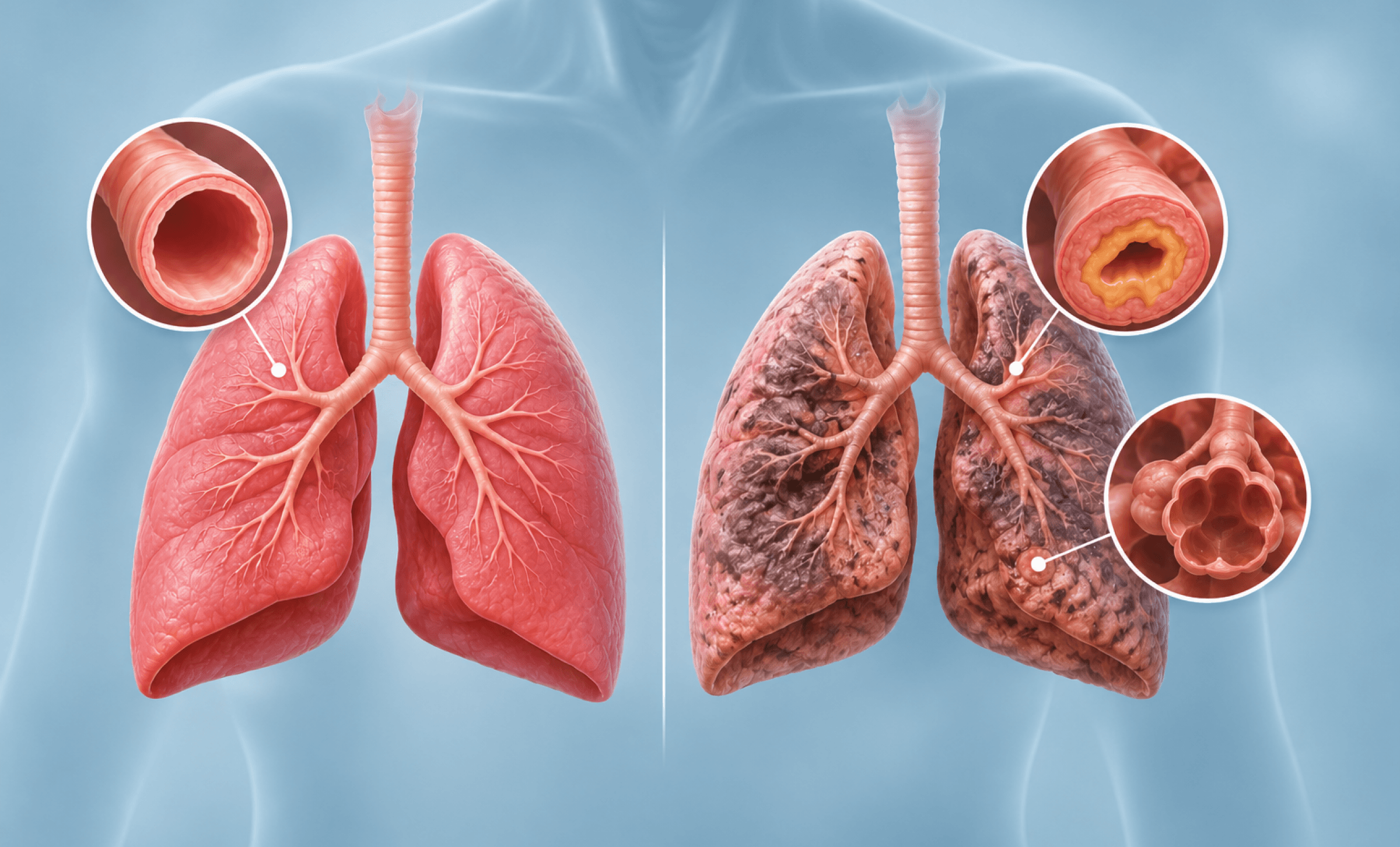
If you feel breathless when climbing stairs, have frequent chest infections, or a cough that won’t go away, you might think these are only temporary issues. But sometimes, these symptoms can point to a long-term lung condition.
One such condition is Chronic Obstructive Pulmonary Disease (COPD). This article explains what you need to know.
COPD symptoms usually develop slowly, so people might not notice changes in their breathing right away. As a result, the condition can go undiagnosed until it starts affecting daily life.
That’s why it’s important to know COPD symptoms and risk factors, and when to get tested, so you can get the right medical care.
What is COPD?
Chronic Obstructive Pulmonary Disease, or COPD, is a long-term condition where airflow in the lungs is restricted, making it harder to breathe.
It usually involves damage to the airways and air sacs in the lungs, such as:
- Chronic bronchitis: Long-term airway inflammation that is often associated with persistent cough and mucus production
- Emphysema: A condition that damages the tiny air sacs in the lungs, affecting how oxygen enters the bloodstream.
COPD can get worse over time, but the right treatment can help manage symptoms and lower the chances of flare-ups.
What are the early symptoms of COPD?
Early symptoms of COPD are often mild and can be mistaken for getting older, being out of shape, or having a seasonal infection.
Some common signs are:
- Persistent cough: A cough that lasts a long time, with or without mucus.
- Shortness of breath: Feeling out of breath during everyday activities
- Wheezing: A whistling sound while breathing.
- Excess mucus: Producing phlegm often or all the time, especially in the morning.
- Frequent chest infections: Getting respiratory infections again and again
These symptoms can also happen with other lung problems. See a doctor to find out the cause.
What are the risk factors for COPD?
COPD risk factors include smoking and having a history of lung problems.
Here are some of the main risk factors:
- Smoking and secondhand smoke: Being exposed to tobacco smoke for a long time.
- Air pollution: Breathing in outdoor pollution or smoke from cooking fuels over a long period.
- Workplace exposure: Often being around dust, fumes, or chemicals at work.
- Genetic factors: Inheriting conditions like alpha-1 antitrypsin deficiency.
- History of lung problems: Having certain lung conditions as a child or problems with lung development.
When should you get tested for COPD?
If you often have a cough, feel breathless, wheeze, or get chest infections, you should talk to a doctor, especially if you have any COPD risk factors.
To diagnose COPD, doctors review your symptoms and medical history and may suggest a breathing test called spirometry. This test shows how much air you can breathe out and how fast. After you use a bronchodilator, doctors can see whether your airflow is still blocked.
Doctors may also suggest additional tests to check lung health or rule out other problems.
How can COPD be managed?
COPD can’t be cured, but treatment can often help manage the symptoms. Depending on your needs, doctors may suggest inhaled medicines, quitting smoking, vaccinations, and pulmonary rehab.
It’s also important to avoid things that irritate your lungs and to follow your treatment plan.
Noticing ongoing breathing problems and getting medical advice can help you get diagnosed sooner and manage COPD better in the long run.
Disclaimer: This article provides general health information & does not replace professional medical advice, diagnosis or treatment. Always consult a qualified doctor for medical advice, diagnosis & treatment. Do not ignore symptoms, delay seeking care or change prescribed treatment without consulting your doctor.
Persistent cough or breathlessness during everyday activities?
Discuss your symptoms with the Pulmonology team at ISIC. Bring any previous lung test reports and a list of your current medicines.
Latest Blogs
View All BlogsLatest Blogs

General
World Mental Health Day: Breaking the Stigma Around Seeking Psychiatric & Neurological Care

Orthopaedics
World Arthritis Day: Early Signs, Diagnosis & Modern Treatment Options for Joint Pain

Internal Medicine
Seasonal Flu & Viral Infections: How to Protect Your Family This Festive Season
Renal Sciences
Understanding Chronic Kidney Disease: Stages, Symptoms & When Dialysis Becomes Necessary
General
World Mental Health Day: Breaking the Stigma Around Seeking Psychiatric & Neurological Care
Orthopaedics
World Arthritis Day: Early Signs, Diagnosis & Modern Treatment Options for Joint Pain
Internal Medicine
Seasonal Flu & Viral Infections: How to Protect Your Family This Festive Season
Renal Sciences
Understanding Chronic Kidney Disease: Stages, Symptoms & When Dialysis Becomes Necessary


